
When it comes to protecting your home or commercial property, your roofing system is only as strong as its weakest point. Many homeowners focus on shingles, gutters, and ventilation, but there is another critical component in preventing leaks and water damage: the roof cricket.
At Barrelle Roofing, we frequently encounter roofing issues that could have been avoided with proper water diversion design. In this guide, we’ll break down exactly what a roof cricket is, why it matters, and when you should consider installing one.
Call now: 770-658-0342
What Is a Roof Cricket?
A roof cricket (sometimes called a saddle) is a small, peaked structure installed on the high side of a roof penetration—most commonly behind a chimney. Its purpose is to divert water around the penetration, preventing pooling and eventual seepage into your roofing system.
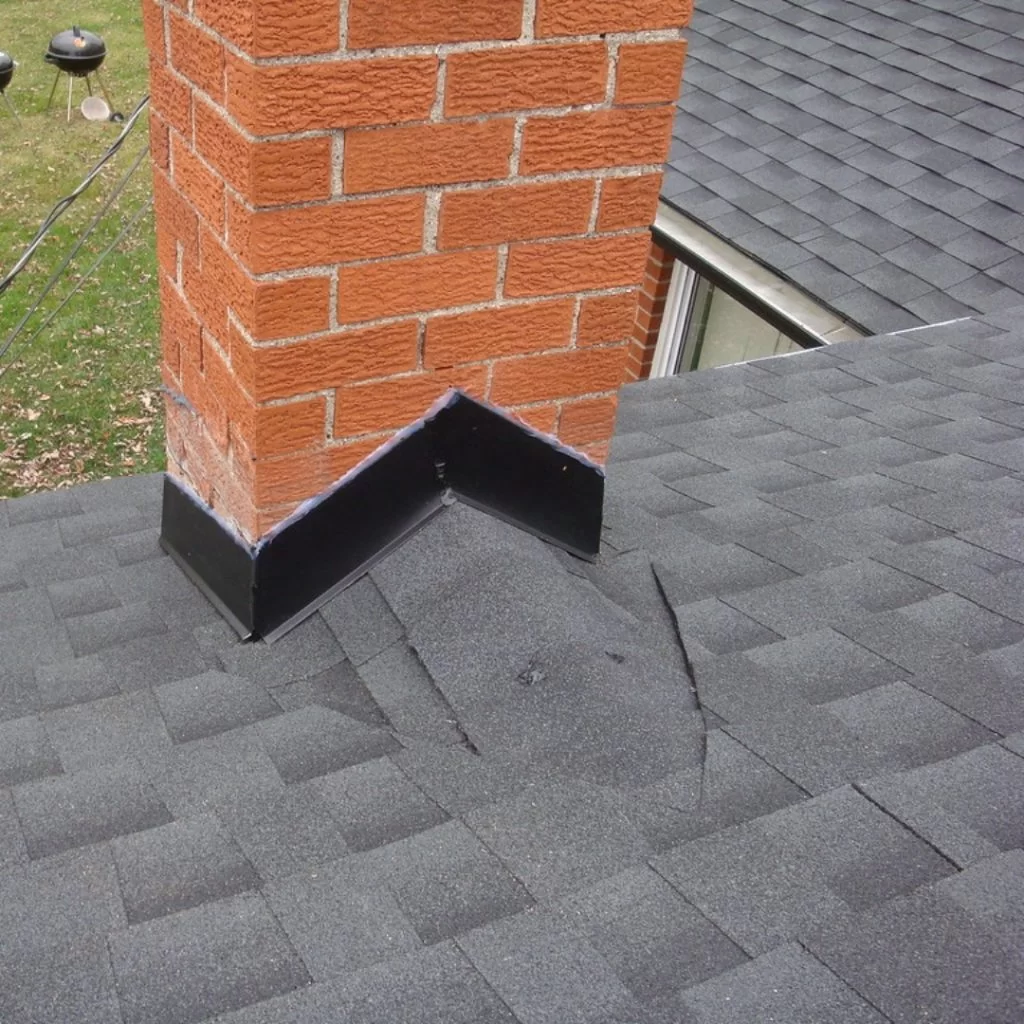
Structurally, a cricket resembles a miniature gable roof. It’s typically framed with wood and covered with the same roofing materials as the rest of your roof, ensuring a seamless appearance and consistent protection. Without a cricket, water can collect at the base of vertical structures like chimneys or skylights. Over time, this standing water increases the likelihood of leaks, rot, and costly structural damage.
Why Roof Crickets Are Important
- Prevents water pooling
- Water is one of your roof’s biggest enemies. When rainwater or melting snow has nowhere to go, it begins to pool. Roof crickets create a natural slope that redirects water away from vulnerable areas.
- Reduces leak risk
- Pooling water increases hydrostatic pressure on flashing and seams. Over time, this pressure can cause water to infiltrate even well-installed roofing systems. A properly installed cricket significantly reduces this risk.
- Extends roof lifespan
- By improving drainage, crickets reduce wear and tear on roofing materials. This helps extend the life of your shingles, flashing, and underlying decking.
- Improves code compliance
- In many cases, roof crickets are not just recommended but also required. According to the International Code Council, crickets are typically mandated on chimneys wider than 30 inches.
Where Are Roof Crickets Typically Installed?
While chimneys are the most common location for roof crickets, they can be used anywhere water tends to collect due to an obstruction or roof design. Common areas include:
- Chimneys
- Skylights
- Dormers
- HVAC units or large roof penetrations
- Long roof valleys with poor drainage
If you have any vertical structure interrupting the natural flow of water on your roof, it may be a candidate for a cricket.
When Do You Need a Roof Cricket?
- Your chimney is wider than 30 inches
- This is the most widely accepted rule of thumb. If your chimney is over 30 inches wide (measured perpendicular to the slope of your roof), a cricket is strongly recommended, if it isn’t already required by building code.
- You notice water pooling
- If you’ve observed standing water behind your chimney or around other roof features after rainfall, that’s a clear sign your drainage system is inadequate.
- You’ve had repeated leaks
- Recurring leaks in the same area—especially near a chimney—are often a symptom of poor water diversion. Installing a cricket can be a long-term solution rather than repeatedly patching the problem.
- You’re replacing your roof
- A full roof replacement is the ideal time to add or upgrade a cricket. It’s far more cost-effective to incorporate it during a reroof than to retrofit it later.
- Your roof has a low slope
- Low-slope roofs are more prone to water accumulation. Even smaller penetrations can benefit from a cricket in these cases.
Types of Roof Crickets
Not all crickets are built the same. The design depends on your roof structure, slope, and the size of the obstruction.
- Framed cricket
- Built with lumber and sheathing
- Covered with shingles or metal
- Most common and durable option
- Flashing cricket
- Constructed primarily with metal flashing
- Used for smaller penetrations
- Less robust but sometimes sufficient
- Custom cricket
- Designed for unique roof geometries
- Often used in complex roofing systems or high-end builds
Signs You Might Be Missing a Cricket
If you’re unsure whether your roof has a cricket or if it’s functioning properly, look for these warnng signs:
- Water stains on ceilings near a chimney
- Mold or mildew in attic spaces
- Deteriorating flashing
- Shingle damage behind roof penetrations
- Debris buildup in the same area after storms
These issues often point to poor drainage, which a properly installed cricket can resolve.
Installation Considerations
Installing a roof cricket is not a DIY-friendly task and requires careful planning to ensure proper water flow and integration with your existing roof. Factors like roof pitch, chimney size, and surrounding materials all play a role in how the cricket is built. It must be positioned and sloped correctly to direct water away without creating new problem areas.
Proper flashing and waterproofing are also important. The cricket needs to tie seamlessly into the roofing system so the water is diverted efficiently without introducing weak points that could lead to leaks over time.
Why Professional Installation Matters
A roof cricket is only effective if it’s designed and installed correctly. Professional installation ensures that the structure is properly framed, pitched, and sealed to prevent water intrusion. Small mistakes in installation can lead to bigger, more expensive issues down the road.
Working with an experienced contractor like Barrelle Roofing means your entire roof system is evaluated—not just one area—so the solution is built for long-term performance, not a temporary fix.
Bottom Line
A roof cricket may be a small feature, but it plays a major role in protecting your home from water damage. By diverting water away from vulnerable areas like chimneys and skylights, it helps prevent leaks, extend your roof’s lifespan, and ensure your system performs as intended.
If your home has a wide chimney, recurring leaks, or visible water pooling, it’s worth having a professional evaluation. The right solution now can save you significant time, money, and stress down the road.
If you’re unsure whether your roof needs a cricket, reach out to Barrelle Roofing for a detailed inspection and expert guidance tailored to your property.