
When it comes to affordable and practical roofing solutions, rolled roofing is often an overlooked option for certain structures and situations. Whether you’re covering a low-slope roof, a shed, or a workshop, understanding what rolled roofing is and how to install it can help you make a more informed decision for your property.
Call now: 770-658-0342
What is Rolled Roofing?
Rolled roofing—also known as mineral-surfaced roofing (MR)—is a type of asphalt-based roofing material sold in large rolls rather than individual shingles. It’s made from similar materials to traditional asphalt shingles, but instead of being cut into tabs, it comes in long strips that are rolled out and applied directly to the roof surface.
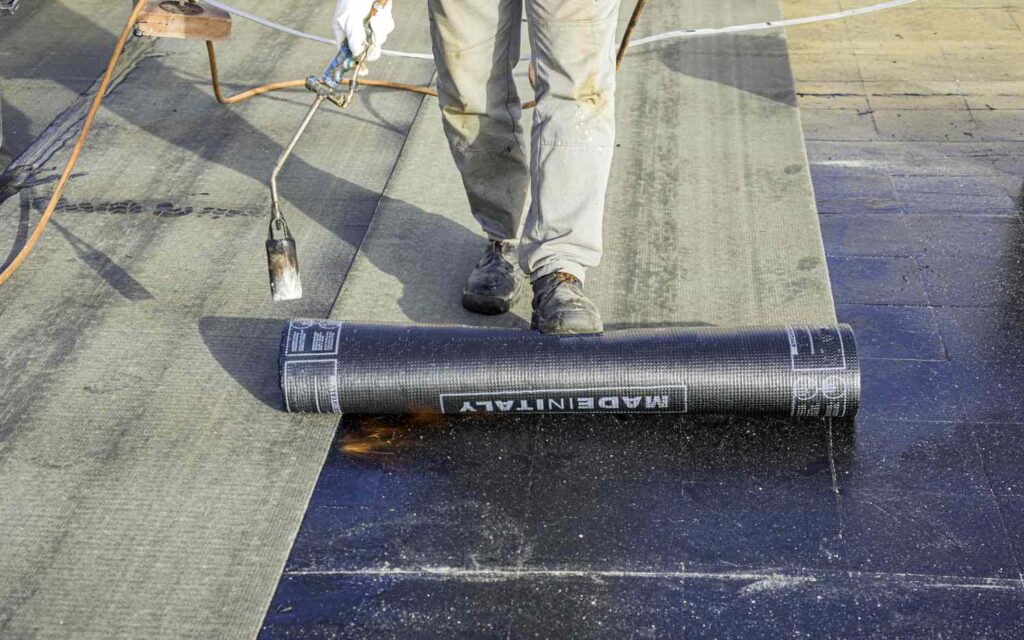
Typically, rolled roofing comes in rolls that are about 36 inches wide and up to 100 feet long, making it one of the fastest roofing materials to install. Because of its simplicity and cost-effectiveness, rolled roofing is commonly used on:
- Low-slope or flat roofs
- Sheds and outbuildings
- Garages and workshops
- Temporary or budget-conscious roofing projects
For a deeper, more technical breakdown of rolled roofing and other roofing materials, check out the National Roofing Contractors Association; they have a vast library with many entries on rolled roofing.
How Rolled Roofing Works
Rolled roofing functions as a protective, water-resistant barrier over your roof deck. It is typically installed using one of the two methods:
- Nail-down method
- The material is rolled out horizontally across the roof and secured with roofing nails. Overlapping seams help prevent water infiltration.
- Torch-down/adhesive application
- In some cases, roofing cement or heat (torch-down) is used to bond the material more securely to the surface, improving durability and waterproofing.
Because rolled roofing is applied in large sheets, it reduces the number of seams compared to shingles—though seams still exist at overlaps and must be properly sealed.
Key Benefits of Rolled Roofing
Rolled roofing has several advantages that make it appealing for specific applications:
- Affordability
- One of the biggest benefits is cost. Rolled roofing is significantly cheaper than traditional asphalt shingles or metal roofing, both in materials and labor.
- Fast installation
- Because it comes in large rolls, installation is quick and straightforward. For smaller structures, it can often be completed in a single day.
- Lightweight material
- Rolled roofing is lighter than many other roofing systems, reducing stress on the structure and eliminating the need for additional reinforcement.
- Ideal for low-slope roofs
- Shingles are not always suitable for high-pitch roofs, but rolled roofing performs well in these conditions when installed correctly.
Drawbacks to Consider
While rolled roofing has its advantages, it is not the right solution for every home.
- Shorter lifespan
- Rolled roofing lasts typically 5-10 years, while asphalt shingles have a lifespan of up to 20-30 years.
- Limited aesthetic appeal
- It lacks the dimensional look of shingles or other premium roofing materials, making it less desirable for visible residential roofs.
- Susceptibility to damage
- It can be more prone to tearing. punctures, and weather-related wear, especially in areas with extreme temperature fluctuations.
- Not ideal for high-slope residential roofs
- For most homes, rolled roofing isn’t recommended as a primary roofing system due to both durability and appearance concerns.
When Should You Use Rolled Roofing?
Rolled roofing is best suited for specific scenarios where cost and practicality outweigh longevity and aesthetics. Some best use cases would be:
- Detached garages
- Storage sheds
- Workshops
- Low-slope additions
- Temporary roofing solutions
If you’re unsure whether rolled roofing is appropriate for your project, consult a professional like Barrelle Roofing to help you evaluate your roof’s pitch, structure, and long-term goals.
Installation Considerations
Proper installation is very important to getting the most out of rolled roofing. Even though it’s considered a simpler system, mistakes can lead to leaks and premature failure. Key factors include:
- Ensuring a clean, dry roof deck
- Proper overlap of seams (usually 2-4 inches)
- Correct fastening techniques
- Sealing edges and penetrations thoroughly
- Adequate ventilation beneath the roofing material
In many cases, a base layer or underlayment is also recommended to improve performance and extend the lifespan.
Maintenance and Longevity
To maximize the life of rolled roofing, routine maintenance is essential. Here are some maintenance tips:
- Inspect seams and edges regularly
- Check for cracks, bubbles, or tears
- Remove debris that can trap moisture
- Reapply roofing cement where needed
Rolled Roofing vs. Asphalt Shingles
Understanding how rolled roofing compares to traditional shingles can help clarify when each is more appropriate.
| Feature | Rolled Roofing | Asphalt Shingles |
| Cost | Low | Moderate |
| Lifespan | 5-10 years | 20-30 years |
| Installation | Fast and simple | More labor-intensive |
| Appearance | Basic | More attractive |
| Best Use | Low-slope structures | Residential homes |
If curb appeal and longevity are your priorities, shingles are typically the better option. But for utility structures, rolled roofing can be a smart, budget-friendly choice.
Is Rolled Roofing Right for You?
Choosing the right roofing material depends on your specific needs, budget, and the type of structure you’re working with. Rolled roofing is a practical solution when:
- You need a quick, cost-effective roof
- The structure isn’t highly visible
- The roof has a low slope
- You’re planning a future upgrade
However, for primary residences or long-term investments, more durable materials are highly recommended.
Final Thoughts
Rolled roofing is a simple, affordable, and efficient option for certain applications, but it is not a one-size-fits-all solution. Understanding its strengths and limitations ensures you make the right decision for your property.
If you’re considering rolled roofing or want to explore other options, contact Barrelle Roofing! Our team is here to help you feel comfortable with your roof and ensure it performs exactly as it should—no matter the material you choose.