
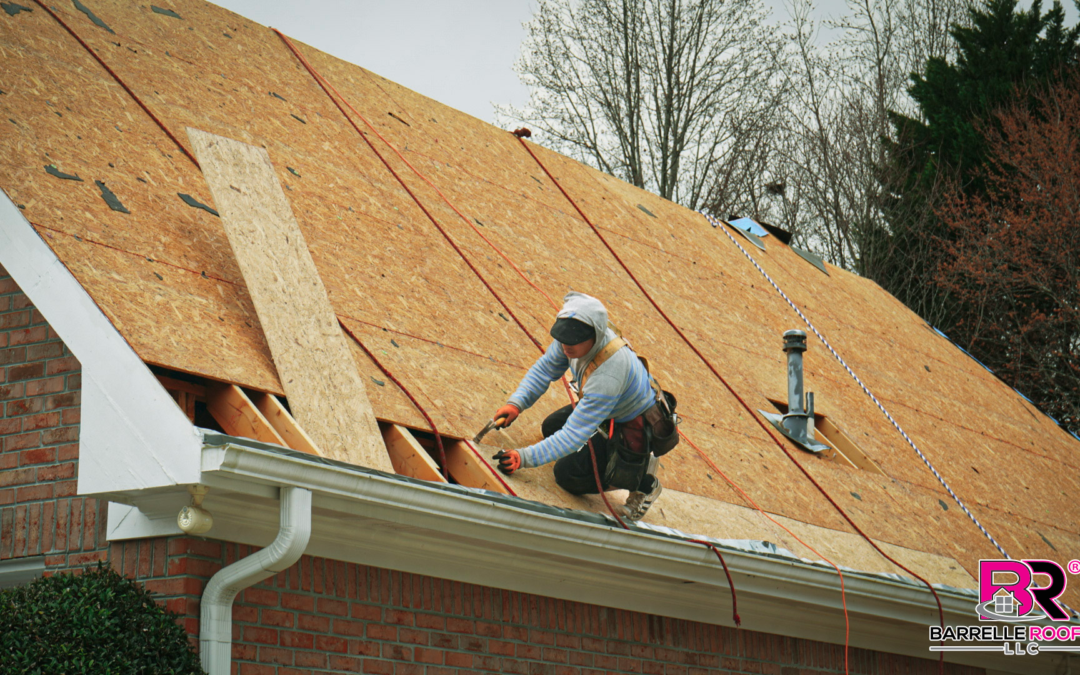
Over the last few years, more and more homeowners have been considering something new, shiny, and sturdy: metal roofs. Weather-resistant, exceptional longevity, and low maintenance— what’s not to love? However, many of these homeowners have shingles, and once people start pricing, the next question usually comes fast: “Can we install metal over the existing shingles?”
The short answer is: yes, sometimes. In the right situation, a metal roof-over installed over already existing asphalt shingles can work out great. However, “can” doesn’t always mean “should”. The right answer depends on your roof’s condition, the number of existing layers, local code requirements, and the metal system you want to install.
If you’re considering a roof-over, call now: 770-658-0342
Two Common Installation Methods
A roof-over typically keeps the existing shingles in place and installs a new metal roof system above them. The metal may be attached:
- Direct-to-deck
- If the existing roof is in good shape and the deck is sound, metal panels may be installed directly over the existing shingles with an appropriate underlayment strategy.
- Over a batten/purlin grid
- A batten system creates a flatter, more uniform attachment plane and can introduce an air gap (depending on design). This approach can improve panel alignment and can help manage condensation risk by placing a grid of wooden battens over the existing roof deck before installing the metal.
If you want a more technical explanation of these two approaches, check out the Metal Construction Association’s retrofit guide.
Pros for a Roof-Over
A roof-over can be a smart move for multiple reasons:
- Less tear-off mess (and sometimes less cost)
- Keeping shingles can reduce demolition time, landfill/disposal costs, and jobsite disruption. That said, the “savings” depend on how much prep work is needed to make the roof-over correct.
- Added sound/thermal buffering
- The existing shingle layer can slightly dampen noise and add a bit of separation between the metal and the deck (though ventilation and underlayment choices matter more than people realize!).
- Faster turnaround in certain scenarios
- When conditions are right, roof-overs can streamline scheduling because you’re not opening up the roof deck as extensively.
When to Not Install Metal Over Shingles
A roof-over can easily hide problems rather than fix them, and this is how homeowners get burned.
- Existing leaks, trapped moisture, or rotten decking
- If your roof has active leaks, soft spots, or suspected deck rot, a roof-over is the wrong call. You want to remove the shingles, inspect the deck, and repair what’s compromised before locking it under a whole new system.
- Too many existing layers
- Many jurisdictions restrict how many layers of roof covering you can have before a full tear-off is required. As of January 1, 2026, Georgia moved to the 2024 International Residential Code (IRC) with Georgia Amendments; under this framework, roof recover is not permitted where there are two or more existing applications of any roof covering.
- Bad roof geometry for the chosen metal system
- Certain roof designs (heavy valley concentration, tricky wall intersections, lots of penetrations) demand flawless detailing that can be hard to accomplish with just a roof-over. Sometimes, the cleanest and safest way to get that detail work right is with a tear-off.
Code, Permits, and Manufacturer Instructions
Even when roof-overs are allowed, your installation still has to comply with local codes, pass the permit requirements, and follow the metal manufacturer’s approved instructions (which are often tied to warranty coverage). That means verifying the roof qualities for a recover (layer count + condition), then installing the approved attachment method, underlayment, and flashing details at edges and penetrations— because a roof-over that isn’t installed to spec can fail inspection or end up out of warranty.
The “Hidden” Technical Issues
- Fastener attachment and embedment
- A roof-over only performs as well as its attachment. Fasteners must be long enough and properly placed to achieve correct embedment into the deck or framing.
- Underlayment and moisture management
- Metal roofs can experience condensation under certain conditions. Underlayment selection and detailing at transitions matter a lot, especially in humid climates.
- Flashing transitions (where most leaks start)
- Roof-overs don’t eliminate the need for correct step flashing, counterflashing, pipe boots, and wall transitions. If anything, flashing details become more important because you’re introducing a new system layer.
- To learn more about roof flashing, you can read our article here.
- Trim heights and damage
- A roof-over can slightly raise the roof height at the edges, which can affect gutters, drip edge alignment, and fascia details. Those “small” details influence whether water cleanly sheds into gutters or not.
Quick Decision Checklist
For a metal roof-over, check if:
- Your roof has only one layer of shingles
- No active leaks, no soft-decking, and no sagging
- You’re using a system designed/approved for roof-over conditions
- The contractor has a clear plan for underlayment, moisture control, and flashing
For a tear-off, check if:
- There’s any history of leaks or suspected deck damage
- You already have multiple roof layers
- You want the longest lifespan system and need a clean inspection baseline
- Your roof has complex transitions that demand “from scratch” detailing
Bottom Line
Yes, you can install metal over shingles, but only when the existing roof is dry, structurally sound, within local layer limits, and detailed with the right attachment and moisture strategy. The biggest risk with a roof-over is that it may keep you from discovering (and fixing) what’s actually going on underneath.
If you want to find out if your roof is a good roof-over candidate, contact Barrelle Roofing and schedule an inspection today!