
If you’ve ever gotten two roof quotes that seem ike they’re for two entirely separate houses, you’re not imagining things. So, what affects the cost of roofing?
Prices can swing a lot, because it’s more than just buying new shingles; you’re paying for a full protective system that has to be built to match your home’s layout, details, and current condition. Two houses can look similar from the street, but price out very differently once you consider a multitude of factors, such as labor, safety, and much more. Those details are where good roofs are made— and where low quotes cut corners.
At Barrelle Roofing, we’ve found that homeowners feel a lot better about the investment once they understand how we actually get to the final number. Below, we break down the 10 biggest factors that affect the price of roofing so you can compare estimates with confidence and know what you’re paying for.
1. Roof Size
Roofing is priced largely by area. Contractors measure in squares (1 square = 100 sq ft of roof surface). So the bigger the roof, the more shingles, underlayment, fasteners, labor, disposal, and time are required. Even homes with the same interior square footage can get different roofing prices due to layout, overhangs, and pitch.
Simply put, the size is the foundation of any roofing estimate. Everything else stacks on top of it.
2. Roof Pitch and Slope Complexity
Similar to size, the steeper the roof, the more effort and equipment it takes. A walkable 4/12 pitch is a different world from a 10/12, where every bundle is handled more slowly. Steeper roofs also require additional fall protection and slower production rates, which increases labor costs.
3. Roof Design
The design of a roof consists of valleys, hips, dormers, and “cut-up” layouts. Simple roofs are faster and generate less waste, while complex roofs with more aspects of roof design and intersecting planes require more cutting, more starter/hip/ridge components, and more detailed work. This affects both labor and material costs.
4. Tear-Off
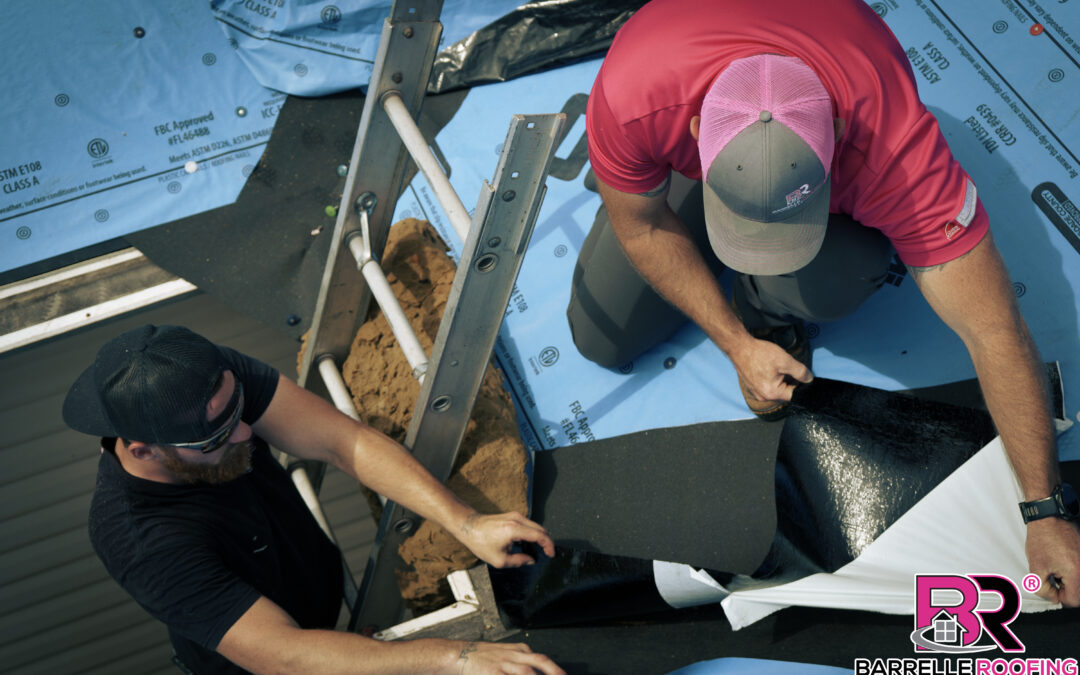
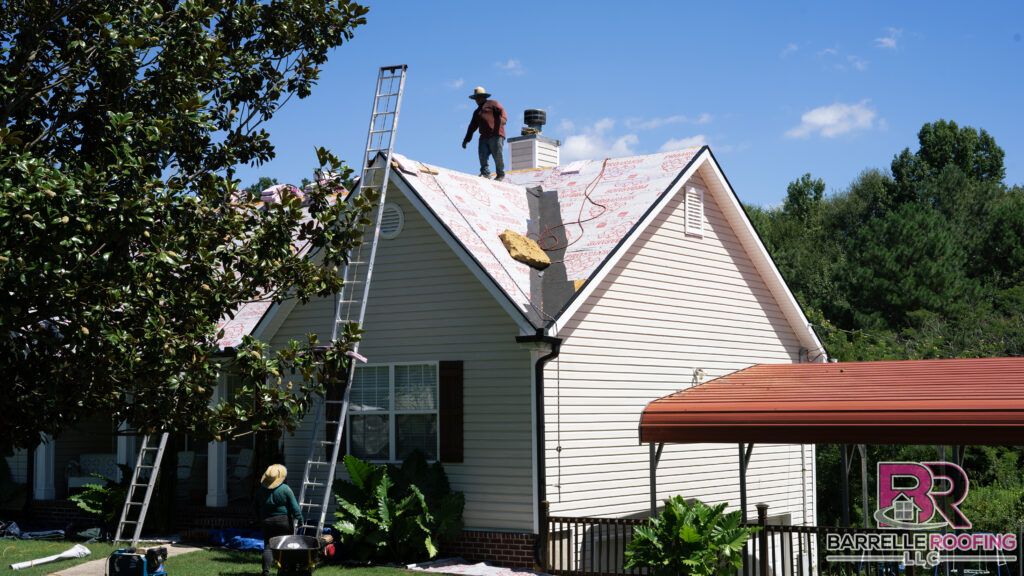
Replacing a roof usually involves tearing off old shingles, hauling debris, and protecting landscaping and the rest of the home’s exterior. If there are multiple layers of shingles, it adds time, dump fees, and extra labor. Additionally, because tear-off is the loudest, messiest part of the job, good contractors budget for protective measures (tarps, controlled debris loading, etc.) that keep your property safe— but those safeguards do cost money!
5. Decking Condition
You can’t reliably nail a new roof into delaminated or rotten decking. If sections of sheathing need replacement, that'[s additional material plus carpentry work. Decking repairs are unfortunately unknown until tear-off, but quality estimates will explain how those are handled if discovered mid-job.
6. Material Selection
Not all roofing materials are equal— it changes both the cost for the material itself and how long it takes to install. Architectural asphalt shingles cost more than basic 3-tab (and generally perform better). Metal, designer shingles, synthetic slate, or specialty underlayments can push pricing up substantially. GAF has a solid overview for homeowners that helps explain the 3-tab vs. architectural categories.
7. Underlayment and Waterproofing
While felt vs. synthetic underlayment (synthetic typically costs more, but it’s tougher and more water-resistant), and how much ice & water barrier is included are mostly hidden factors, they are still critical. Two different estimates may both say “ice & water”, but one might only be a minimal strip while the other adds protection in the highest risk zones (valleys, eaves, skylights, and penetrations). This is one of the most common aspects where cheaper quotes like to quietly trim the cost, which directly impacts leak performance during hard rains.
8. Flashings and Penetrations
Most roof leaks originate at transitions: chimneys, pipe boots, skylights, and other penetrations. Custom flashing work takes time and a higher skill level, and homes with a lot of penetrations simply require more labor and more material, which also requires more cost.
9. Ventilation and Attic Conditions
A roof is only as good as the environment beneath it. Poor ventilation can shorten shingle life, trap moisture, and contribute to decking issues. Sometimes, the right way to do the job includes adjusting intake/exhaust ventilation (soffit, ridge vents, etc.). While these improvements aren’t always “required”, they can be the difference between a roof that performs well and a roof that fights your attic.
10. Access, Logistics, and Local Permitting
Two homes can have identical roofs, yet one is harder (and more expensive) to work on due to access. Tight driveways, landscaping constraints, limited staging space, or long carries up steep terrain add labor and equipment needs. Permits and local requirements can also affect pricing.
Choose Value, Not Just the Lowest Bid!
Roof pricing is really the sum of surface area + complexity + hidden conditions + system quality. The best way to ensure your roof gets the help it needs is not just to go with the lower cost, but instead to make sure that you’re comparing estimates that consider the same essentials: tear-off scope, decking assumptions, underlayment/waterproofing, flashing details, ventilation approach, and workmanship.
For a straightforward, no-nonsense roofing quote, contact Barrelle Roofing. We’ll help you make the right decision for you and your roof.